
Transport for NSW
Building a design system for transportnsw.info and beyond
A unified design foundation for transportnsw.info, the booking system, and the next generation of Transport apps.
Role & responsibilities
Guiding the design team through a two-year program
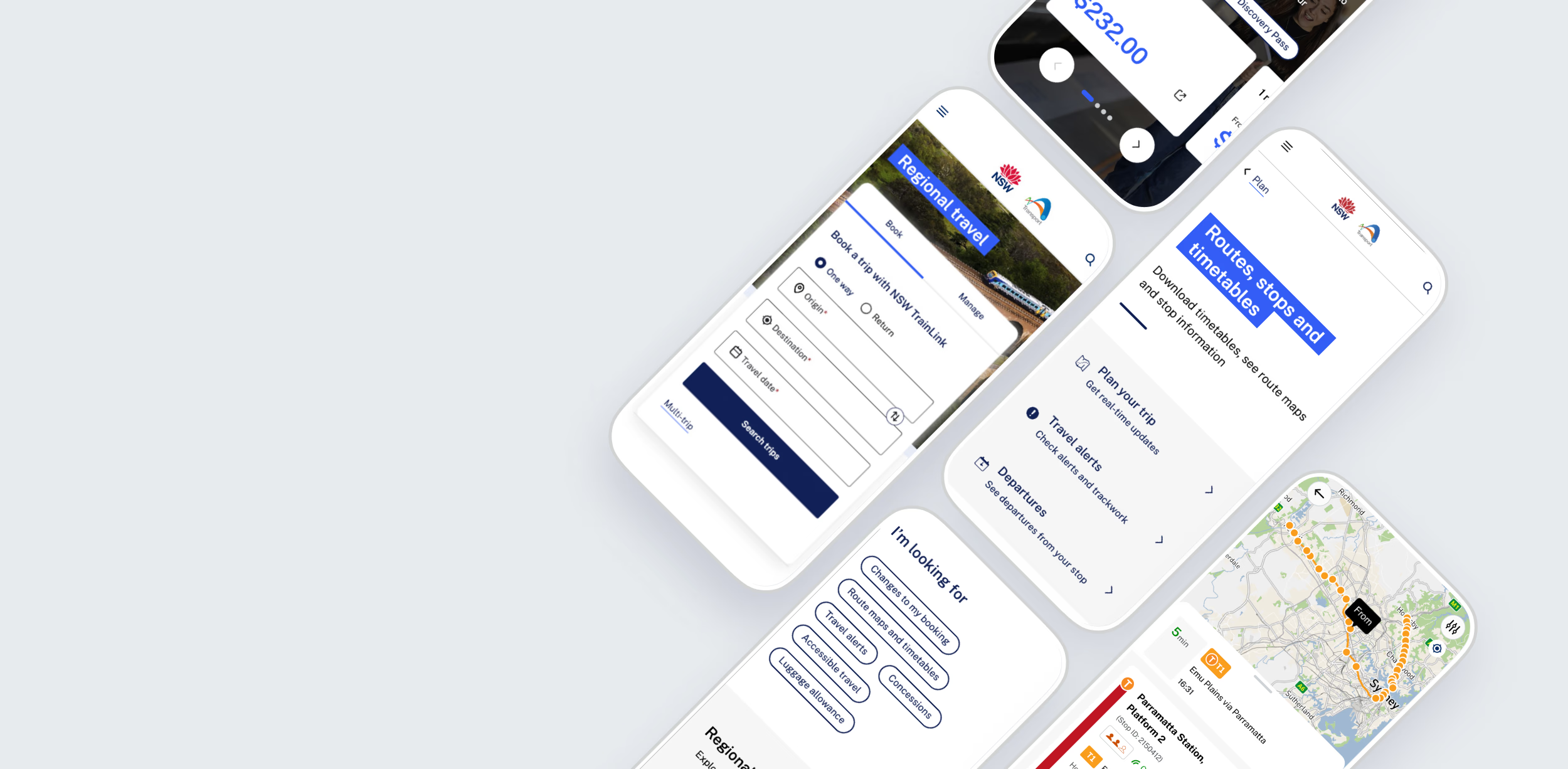
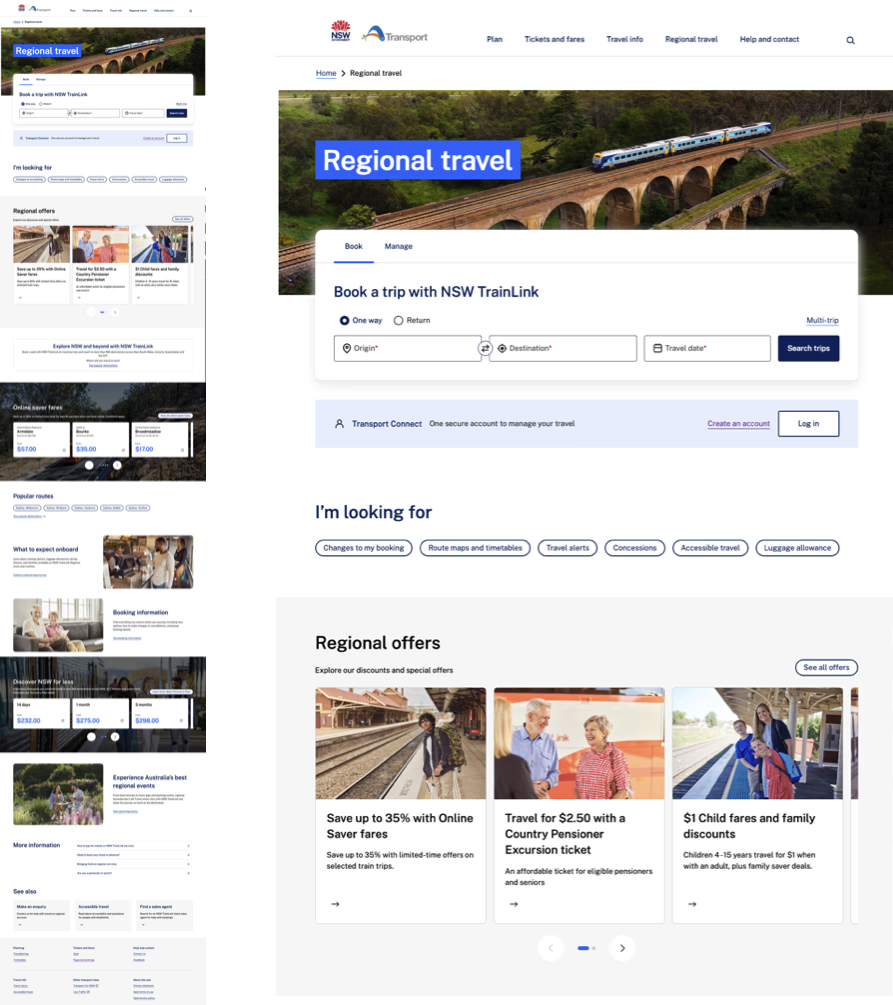
I set the strategic vision and digital governance processes for the design system and ran workshops with stakeholders across the business to understand needs. Alongside that leadership, I worked hands-on in Figma to design and prototype new UI components, particularly those used on regional travel content pages and booking flows on transportnsw.info/regional-travel.
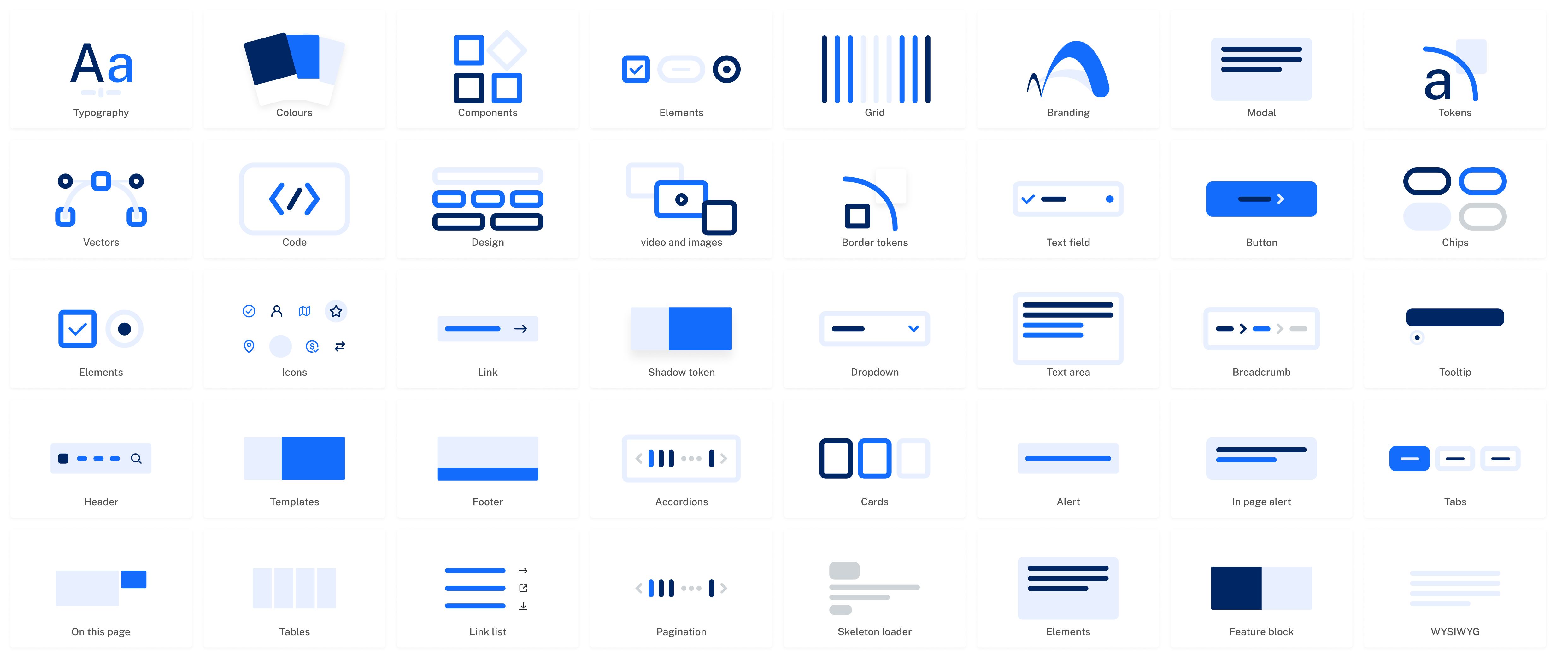
I partnered with developers to introduce tokens for typography, colour and spacing, and mentored designers to embed reusable patterns and accessible practices.
The challenge
Unifying Transport's digital ecosystem with a scalable design system
Transport for NSW's digital ecosystem spanned multiple platforms, each with inconsistent design patterns, accessibility issues, and duplication of effort. The transportnsw.info website, including its regional travel content pages and the Customer Reservation System for bookings, needed a significant uplift in usability, consistency and accessibility.
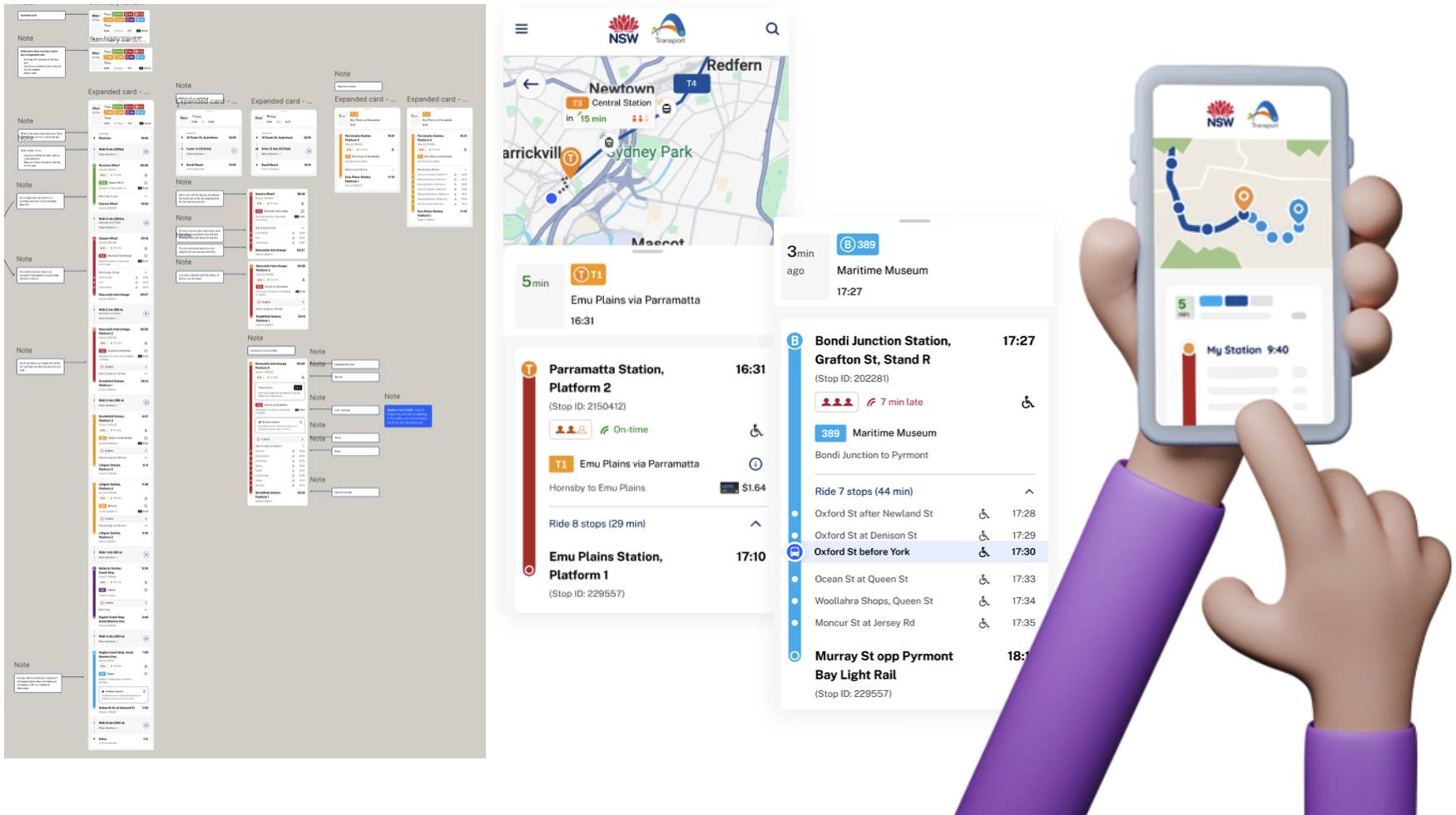
At the same time, future-facing initiatives such as Trip Planner, Contactless for Concessions, and the Opal Travel app needed a scalable design foundation to accelerate delivery and improve the customer experience.
Strategy & collaboration
Platform-agnostic tokens and shared governance
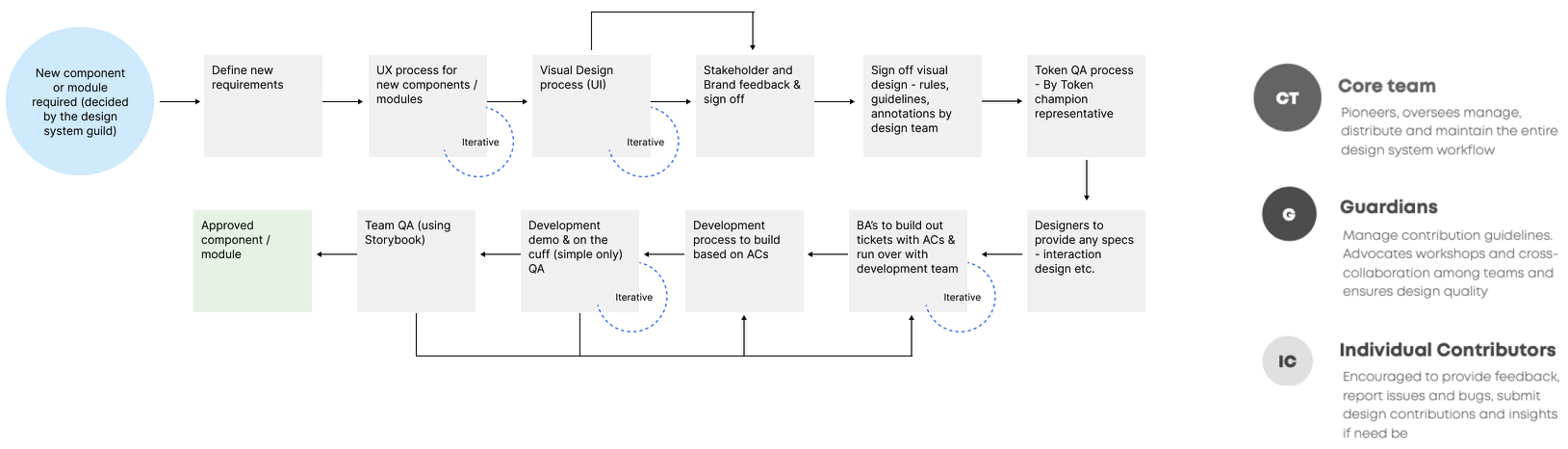
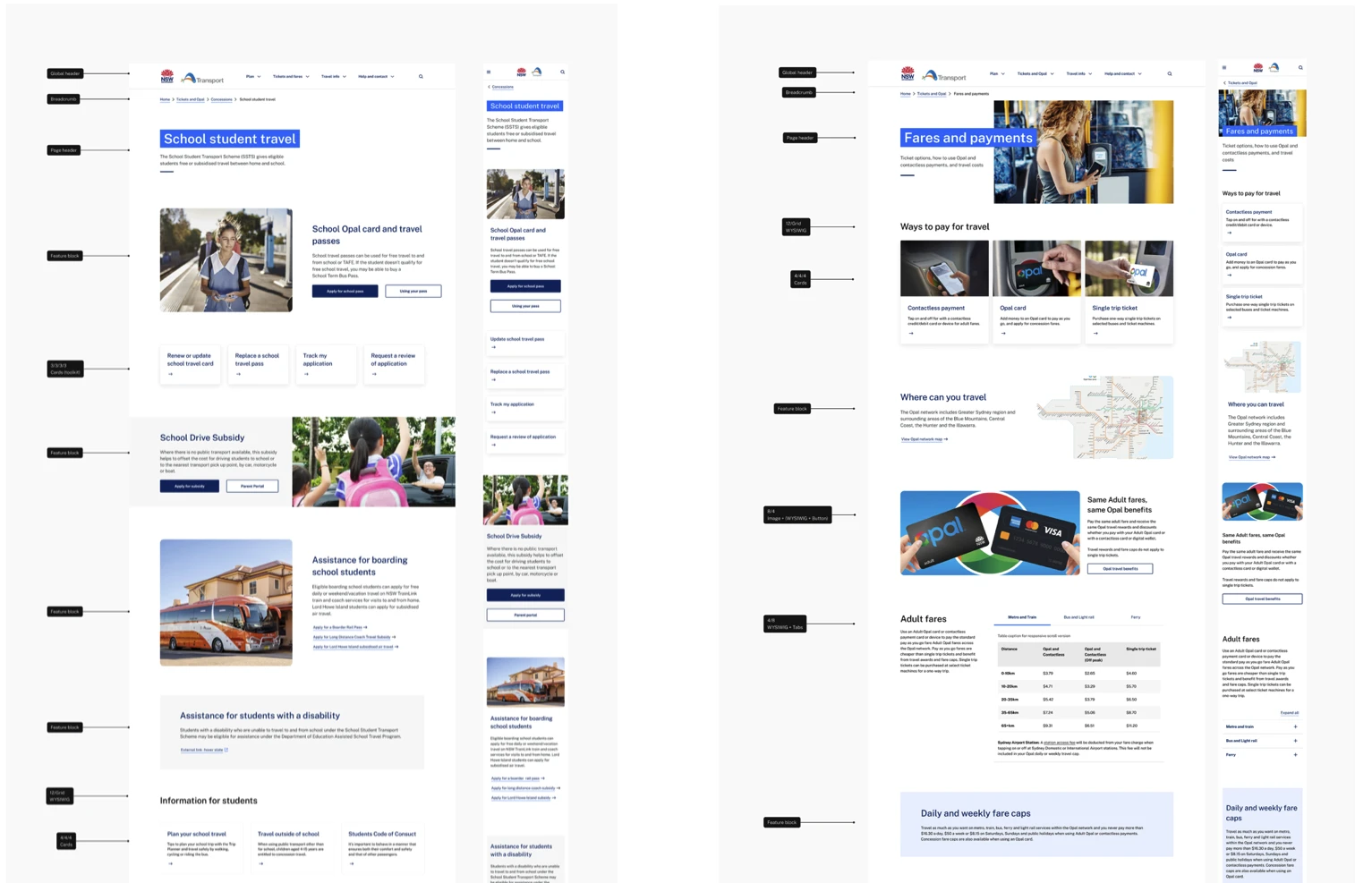
We created platform-agnostic tokens and a shared component library, aligning with WCAG requirements and verifying through external audits. Governance rituals - design reviews, guidelines, and our Storybook repository - kept design, product and development teams aligned as adoption scaled.
Visual design and content modules were uplifted to support both customer experience and marketing and ticketing opportunities, reducing rework and improving brand clarity.
Outcomes & metrics
Faster delivery, embedded accessibility
The Transport Design System cut design-to-development time by roughly 30% on common flows, reducing duplicated effort and delivery costs. It has been adopted across transportnsw.info - including regional travel, booking, Alerts and Routes - and is extending to Trip Planner and Transport Connect.
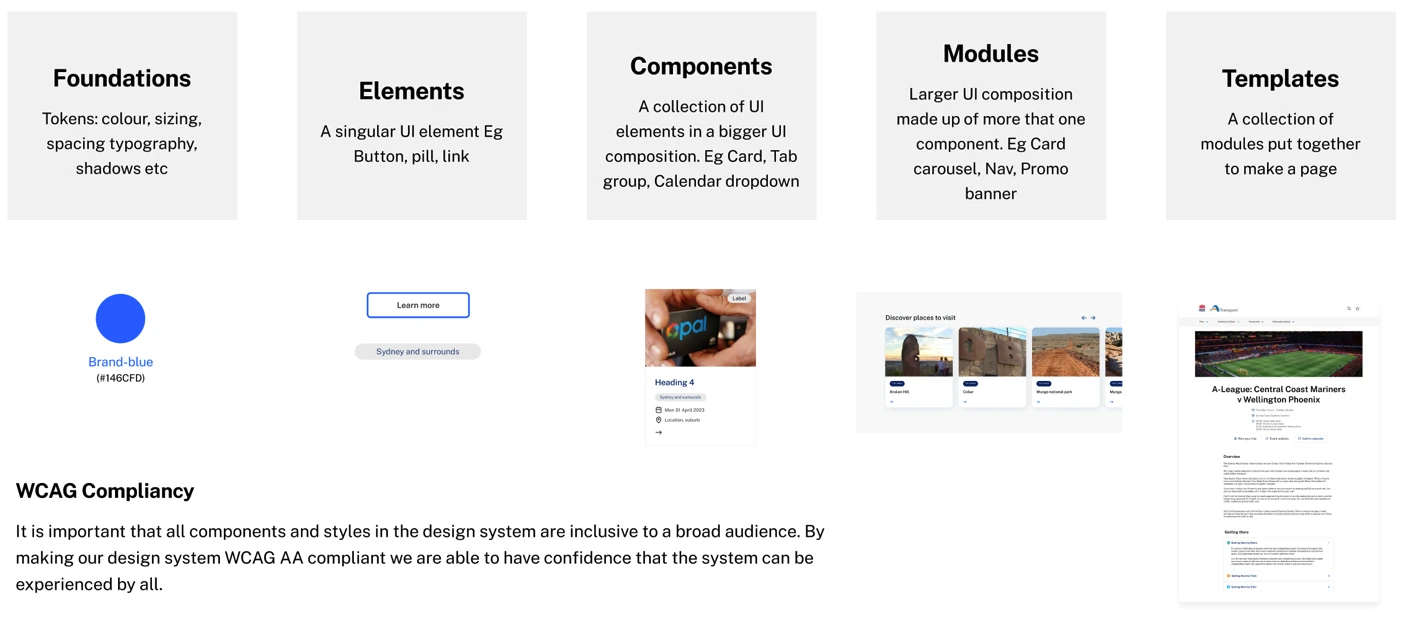
Accessibility improved significantly, with WCAG 2.1 AA standards embedded in core components. The system introduces an omni-channel approach - build and design once, deploy across many platforms - enabling faster delivery and clearer experiences for millions of customers.
Reflection / what's next
Building foundations for future enhancements
The design system has become the foundation for delivering faster, more consistent, and more accessible digital experiences across Transport's ecosystem. By reducing duplicated effort and embedding accessibility, it proved the value of investing in design ops at scale.
Looking ahead, the system will continue to expand - supporting omni-channel experiences across responsive web and mobile apps - with a focus on governance to sustain quality as adoption grows.
See it in the wild.
Launch website →