
NSW TrainLink
Modernising NSW's Regional Booking System
A two-year transformation delivering a clearer, more accessible booking experience across search, seat selection, concessions and payment.
Role & responsibilities
Modernising an outdated booking experience
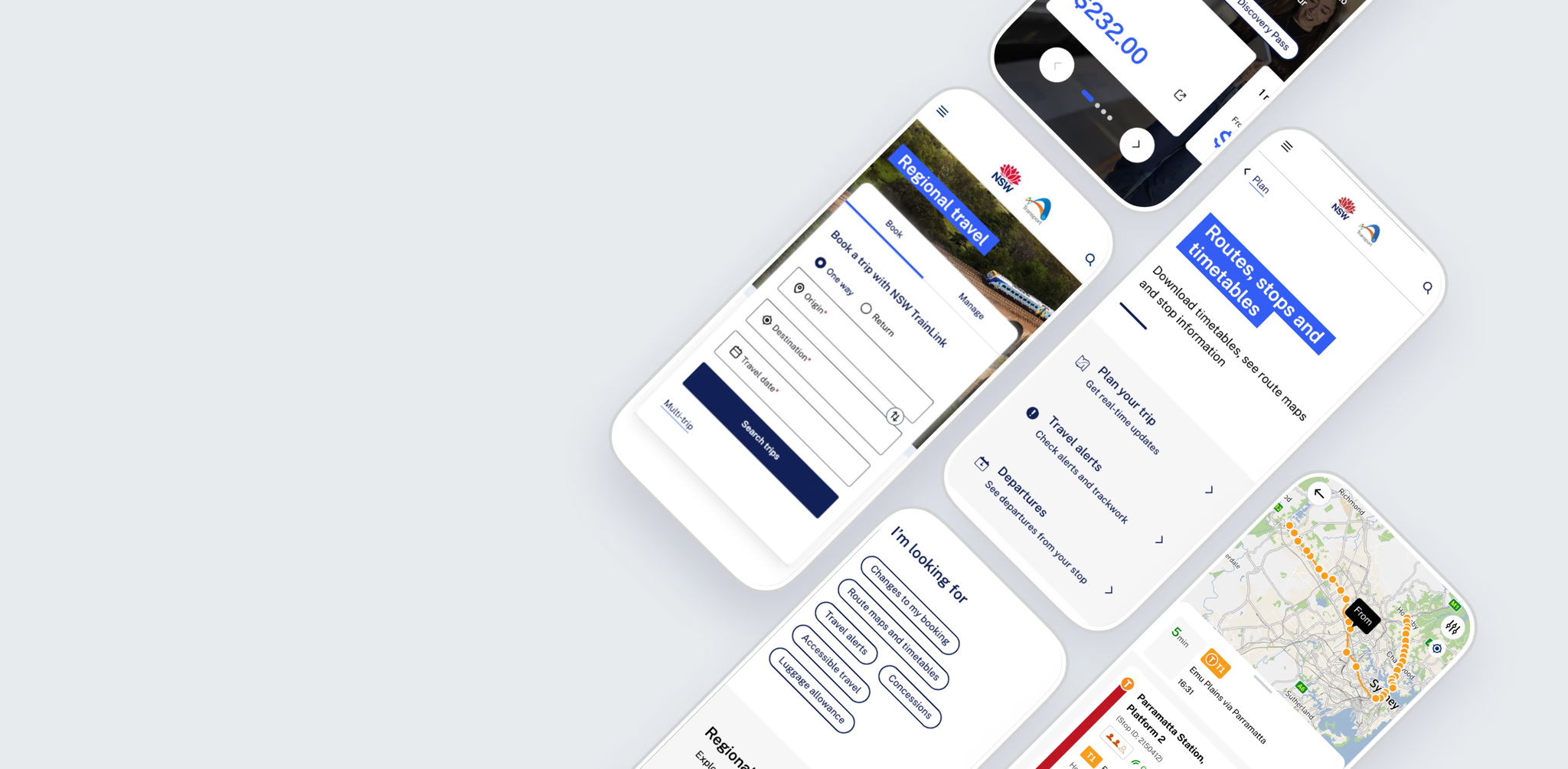
The new TrainLink Booking System replaces the legacy Amadeus platform while elevating the customer experience through improved booking channels and enhanced functionality.
Role & responsibilities
Leadership, craft and principles
As UX Design Lead, I guided the team through a two-year program of work, establishing critiques, playbacks, and stakeholder forums to maintain alignment.
Alongside this leadership role, I contributed hands-on: designing interaction patterns, prototyping booking flows, and refining account and payment screens in Figma.
I also led the development of design principles that became core to the project, ensuring consistency and evidence-based decision making. These principles included:
- Drawers
- Defined as tools for focused, progressive interactions only. Testing showed overuse led to confusion, so guidelines were set - one layer maximum, avoid nesting, and use accordions where more appropriate.
- Progressive disclosure
- Steps revealed gradually to reduce overwhelm, but structured to prevent users skipping critical information.
- Sticky CTAs
- Primary actions remain visible on mobile, minimising scrolling and confusion.
- Above-the-fold CTAs
- Ensured older customers didn't miss actions buried at the bottom of the page.
- Cognitive breaks
- Loading states introduced between "departing" and "return" journeys to help customers recognise they'd moved into the next stage.
- Snackbars and animations
- Lightweight confirmations for completed actions, particularly valuable on mobile.
Strategy & collaboration
Research, prototyping and accessibility at scale
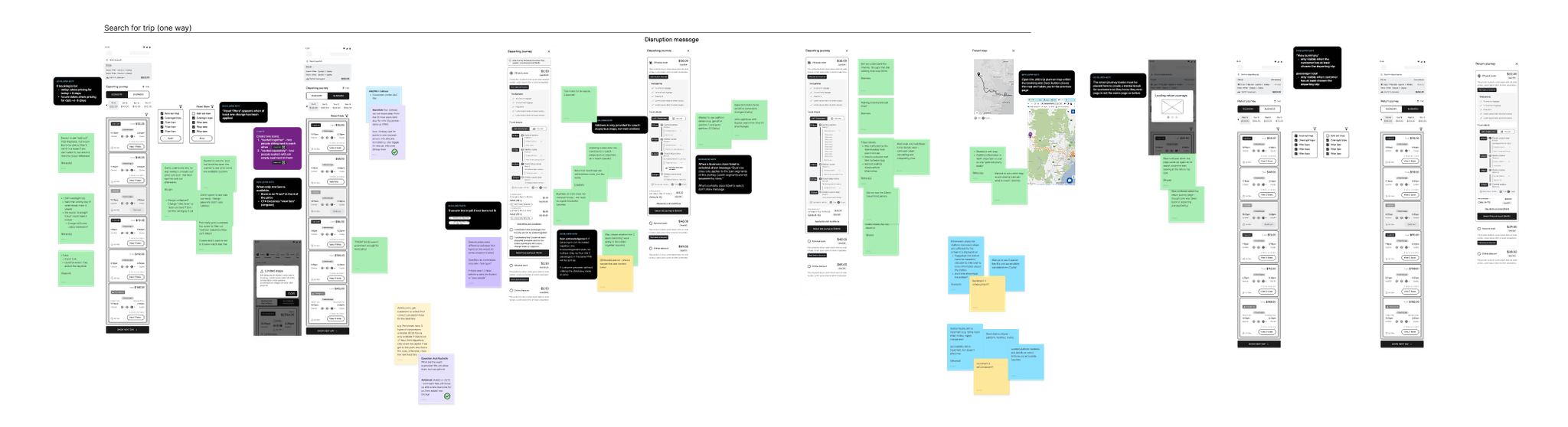
We mapped the end-to-end regional booking journey and identified key drop-off points. Low- to mid-fidelity prototypes were tested with real customers, including seniors and students, to validate flows before high-fidelity work.
Accessibility was embedded from the start - contrast, focus order, labels and screen-reader paths for flows and interactions - then verified with external checks. Regular playbacks with stakeholders kept complexity visible and decisions pragmatic. Proven patterns were fed back into the Transport Design System.
-
Discovery
Mapped customer journeys, gathered requirements, and identified pain points through stakeholder workshops.
-
Prototyping
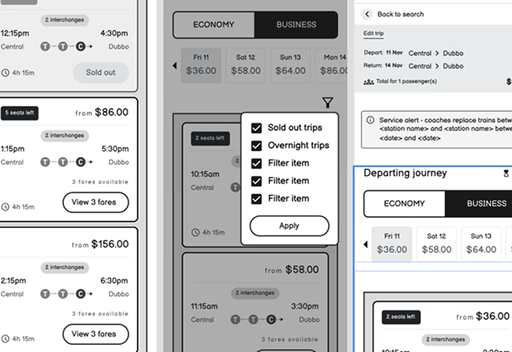
Created wireframes and interactive prototypes in Figma to validate flows early with real users.
-
Testing
Ran usability sessions, including mobile testing with seniors and students, to uncover issues and refine design principles.
-
Delivery
Defined components, accessibility checks, and design principles, handing them into the Transport Design System for ongoing use.
Outcomes & metrics
Outcomes delivered so far
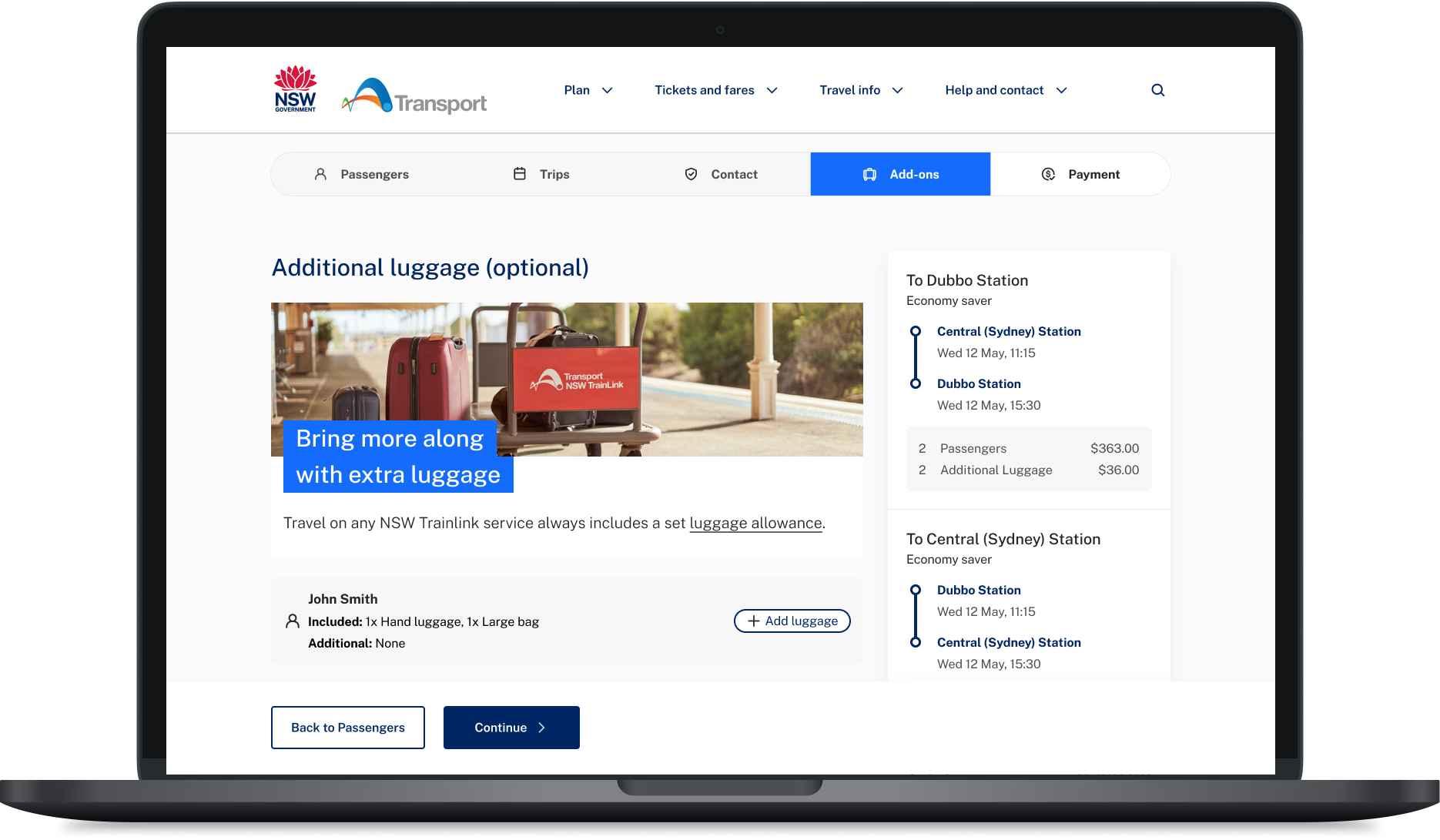
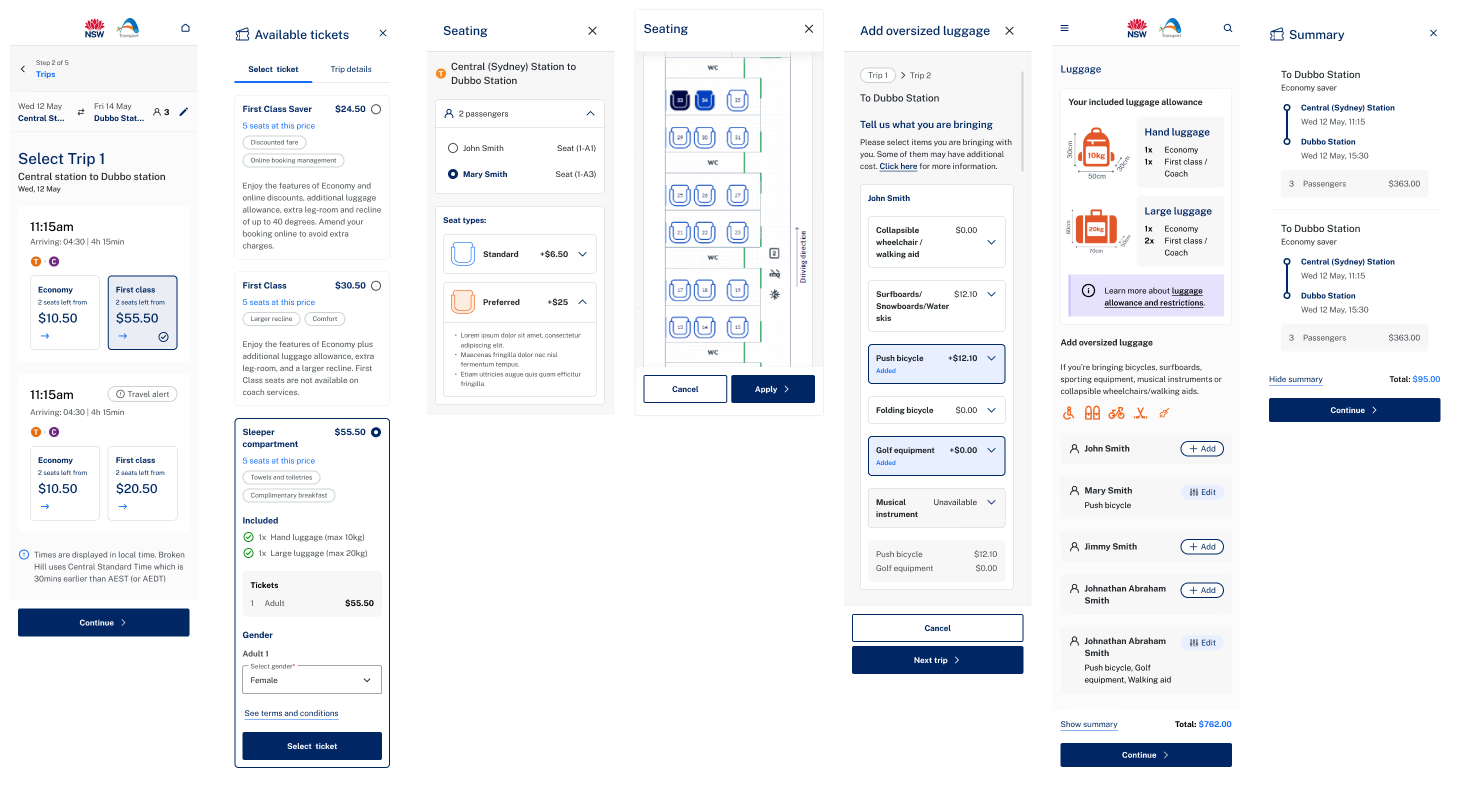
The booking experience was simplified end-to-end, with clearer seat selection, concessions, and payment flows. Accessibility improvements were embedded from the outset and verified against WCAG 2.1 AA requirements. Design principles - such as drawers, progressive disclosure, and sticky CTAs - were codified and adopted across the project, setting a standard for future Transport work.
Business targets, in measurement post-launch:
- Increase checkout page conversions by 18%
- Reduce trip enquiry calls by 22%
- Achieve a CSAT target of 60%
- Increase online booking changes by 50%
- Improve concession conversion rates by 20%
Results
Launched and ready to travel
The new Regional Booking System has recently launched, replacing the legacy Amadeus platform and delivering a more intuitive, accessible way for customers to book long-distance journeys. While metrics are still being measured post-launch, early feedback shows smoother journeys and fewer customer pain points.
Explore the live booking system.
Launch website →